Freezer & Cooler
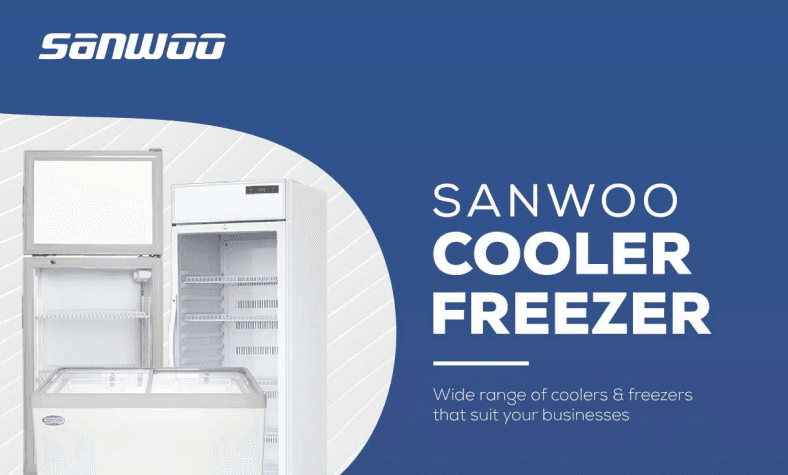
Differences Between Chiller and Freezer in a Refrigerator
A refrigerator is one of the most essential household appliances in daily life. However, many people are still confused about the difference between a chiller and a freezer. These two components serve different functions in food storage, so understanding their differences can help you use them more effectively.
1. Definition of Chiller and Freezer
What is a Chiller?
A chiller is a section of the refrigerator designed to store food at a cold temperature without freezing it. The temperature inside a chiller typically ranges from 2°C to 10°C. At this temperature, food remains fresh but does not freeze.
What is a Freezer?
A freezer is a part of the refrigerator with a much lower temperature than a chiller, usually below -18°C. This temperature allows food to freeze, extending its shelf life much longer than if stored in a chiller.
2. Key Differences Between Chiller and Freezer
|
Factor |
Chiller |
Freezer |
|
Temperature |
2°C to 10°C |
-18°C or lower |
|
Function |
Keeps food fresh without freezing |
Freezes food for long-term storage |
|
Food Type |
Fresh meat, vegetables, fruits, milk, eggs |
Frozen meat, ice cream, seafood, processed food |
|
Storage Time |
Short (a few days to a week) |
Long (months to a year) |
|
Energy Consumption |
Lower |
Higher |
3. Functions and Benefits of a Chiller
Prevents Food from Spoiling Quickly
A chiller helps keep foods such as milk, cheese, yogurt, and eggs fresh longer compared to room temperature storage.
Ideal for Short-Term Storage
Food that needs to be stored for only a few days, such as leftovers, meat that will soon be cooked, and cold drinks, is best kept in the chiller.
Maintains Food Nutrition
Because food is not frozen, its texture and nutritional content remain intact.
4. Functions and Benefits of a Freezer
Extends Food Shelf Life
Food stored in a freezer can last for months to a year, depending on the type. This helps reduce food waste.
Suitable for Stocking Up on Food
If you prefer buying in bulk, a freezer allows you to store meat, fish, seafood, and other frozen foods without worrying about spoilage.
Simplifies Food Storage
By freezing food, you can prepare it in more convenient portions for daily use.
5. Types of Freezers and Chillers in a Refrigerator
Types of Freezers
Types of Chillers
6. Tips for Using Chiller and Freezer Effectively
Tips for Using a Chiller
Tips for Using a Freezer
7. Common Mistakes in Using Chiller and Freezer
8. When to Use a Chiller or Freezer?
For example, if you have fresh meat that will be cooked in a few days, store it in the chiller. Otherwise, keep it in the freezer to extend its shelf life.
9. Which is More Energy Efficient: Freezer or Chiller?
10. Conclusion
Chillers and freezers serve different functions in a refrigerator. A chiller is ideal for short-term storage of fresh food, while a freezer is used to freeze food for long-term preservation. Understanding these differences will help you store food more effectively, maintain freshness, and save energy.
By using a chiller and freezer correctly, you can reduce food waste, maintain food quality, and optimize your refrigerator’s performance at home. Hopefully, this information is useful!
Delivery
Discount
Warranty
Support